Nuts and seeds are easy to buy for an imagined routine: a handful on breakfast, a spoonful in a salad, a few added to a snack. They are also easy to forget at the back of a cupboard. A storage plan starts with the uses you already have, not the number of attractive jars you can fill.
Follow the product's storage instructions and use guidance. Different products may be roasted, raw, seasoned, ground or mixed with other ingredients, so do not assume one rule covers every package. Keep the name, date information and allergen details if you transfer the contents to another suitable container.
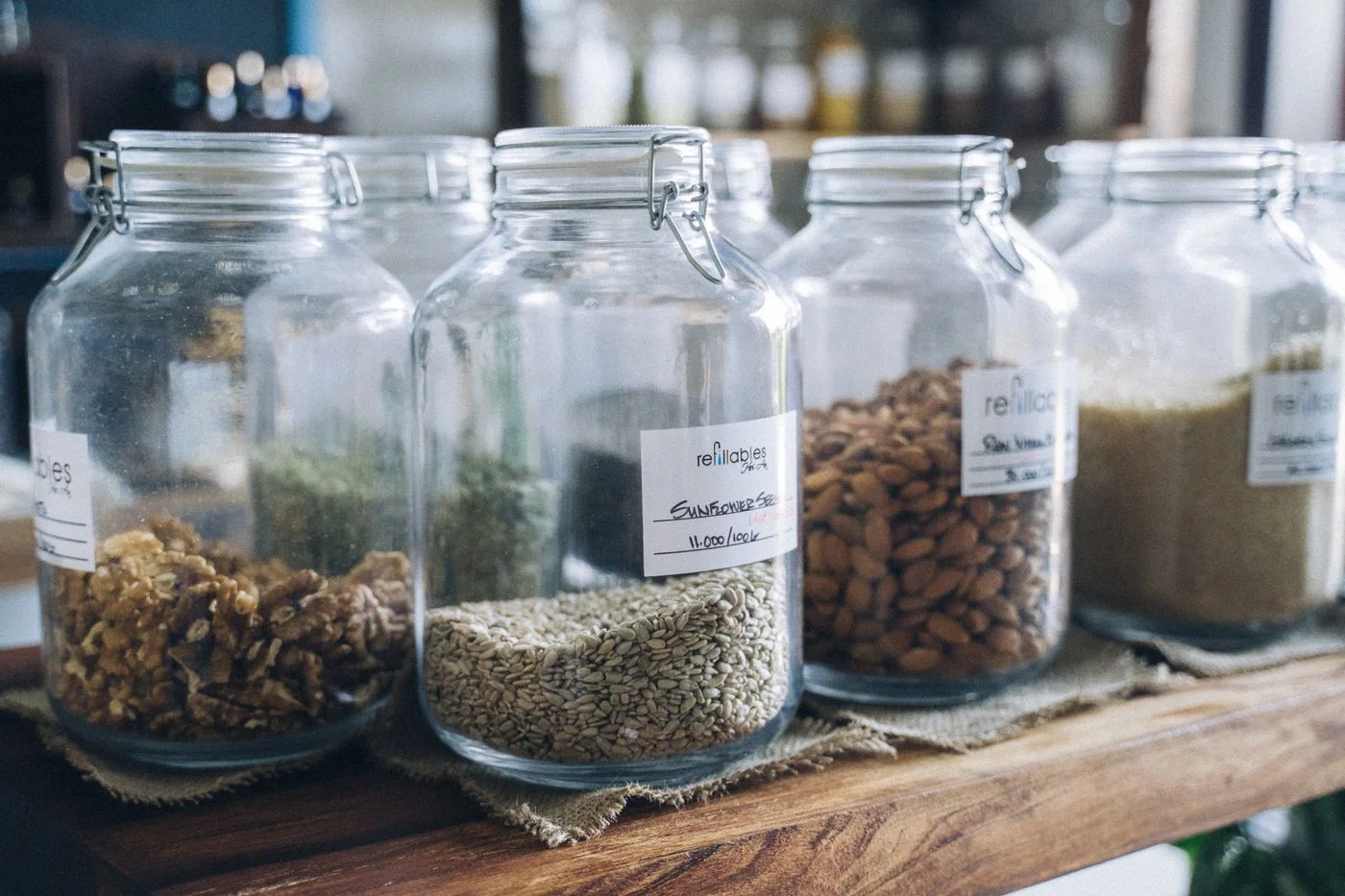
Label the container clearly enough that another person can identify it without tasting. This matters especially in a shared kitchen where nuts and seeds may present allergy concerns. A jar's appearance is not a dependable substitute for the ingredient information.
Match the quantity to the habit
Choose a package based on how often you use the food. A small bag can be the more sensible purchase when you only add a little to one meal each week. A larger bag may work when the ingredient has several regular roles and you can store it as directed.
Place the food where you will remember it, within the conditions the package requires. If refrigeration is recommended, keep a short note in your meal plan rather than moving the jar onto a sunny counter just to make it visible. Convenience should work with storage requirements, not replace them.
Use a clean, dry utensil where appropriate and close the container after serving. Avoid repeatedly tipping remnants from an old package into a new one; it becomes difficult to keep track of the contents and dates. Finish or assess the older supply separately.
If a food develops an unusual smell, appearance or taste, do not keep using it simply because the container looks orderly. Follow the manufacturer's advice and discard products that are no longer suitable. A storage system helps you keep track; it does not make food last indefinitely.
Choose one dependable use for each item you keep. Pumpkin seeds might belong with a particular salad, while chopped nuts might be part of a familiar breakfast. You can add more uses later. A cupboard with a few ingredients that move through it is more useful than a display of nearly full jars bought for meals you rarely make.