Fresh produce arrives with different surfaces, shapes and preparation needs. A melon has a rind you may not eat, leafy greens have folds, and a delicate berry can be damaged by rough handling. A useful washing routine respects those differences while keeping the basic method simple.
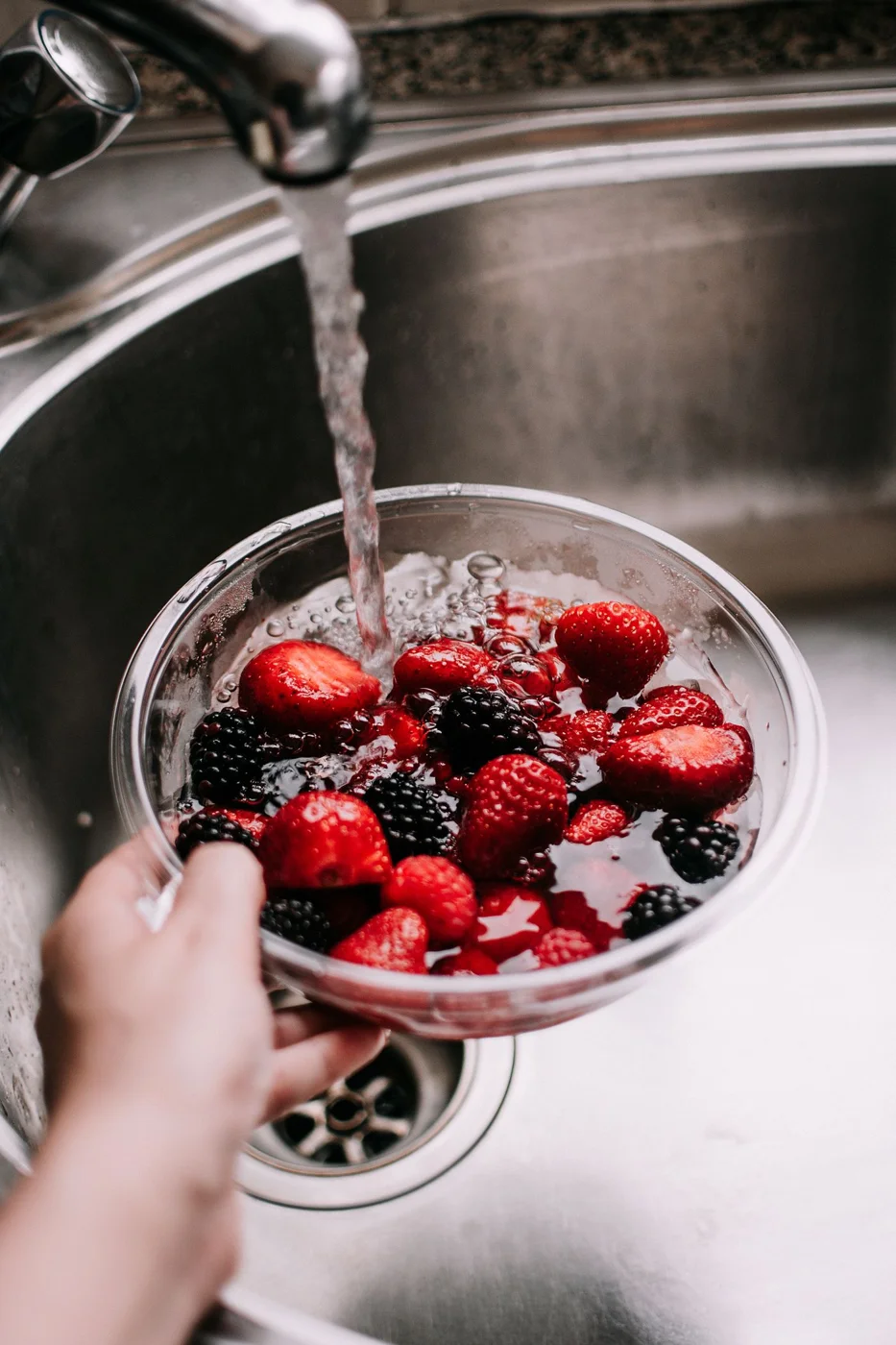
FDA recommends washing produce under running water before preparing or eating it, including items whose skins will be peeled. Cutting can carry material from the outside inward. Soap, detergent and commercial produce washes are not recommended for this purpose.
Set up a clean path
Wash your hands and use clean utensils and a clean preparation area. Keep produce separate from raw meat, poultry, seafood and their juices. If the sink or board was just used for another task, clean it appropriately before the produce arrives.
Inspect the food and remove damaged areas as appropriate; discard produce that is rotten. Washing does not make spoiled food suitable to eat, and it does not remove every possible germ. Keep expectations practical rather than treating the rinse as sterilization.
Use a clean produce brush for firm items when appropriate, and handle delicate foods gently. Dry washed produce with a clean cloth or paper towel where suitable. Avoid using a towel that has already been wiping dirty surfaces.
Read ready-to-eat labels
Some packaged produce is labeled prewashed or ready to eat. Follow the package guidance rather than automatically rewashing everything. Extra handling can introduce new contamination if the sink, utensils or hands are not clean.
Do not treat a large bowl of standing water as a universal method for every fruit and vegetable. Follow reliable guidance for the specific food and use running water as recommended. Household cleaning products and improvised chemical mixtures do not belong in the produce routine.
Wash for the meal you are making
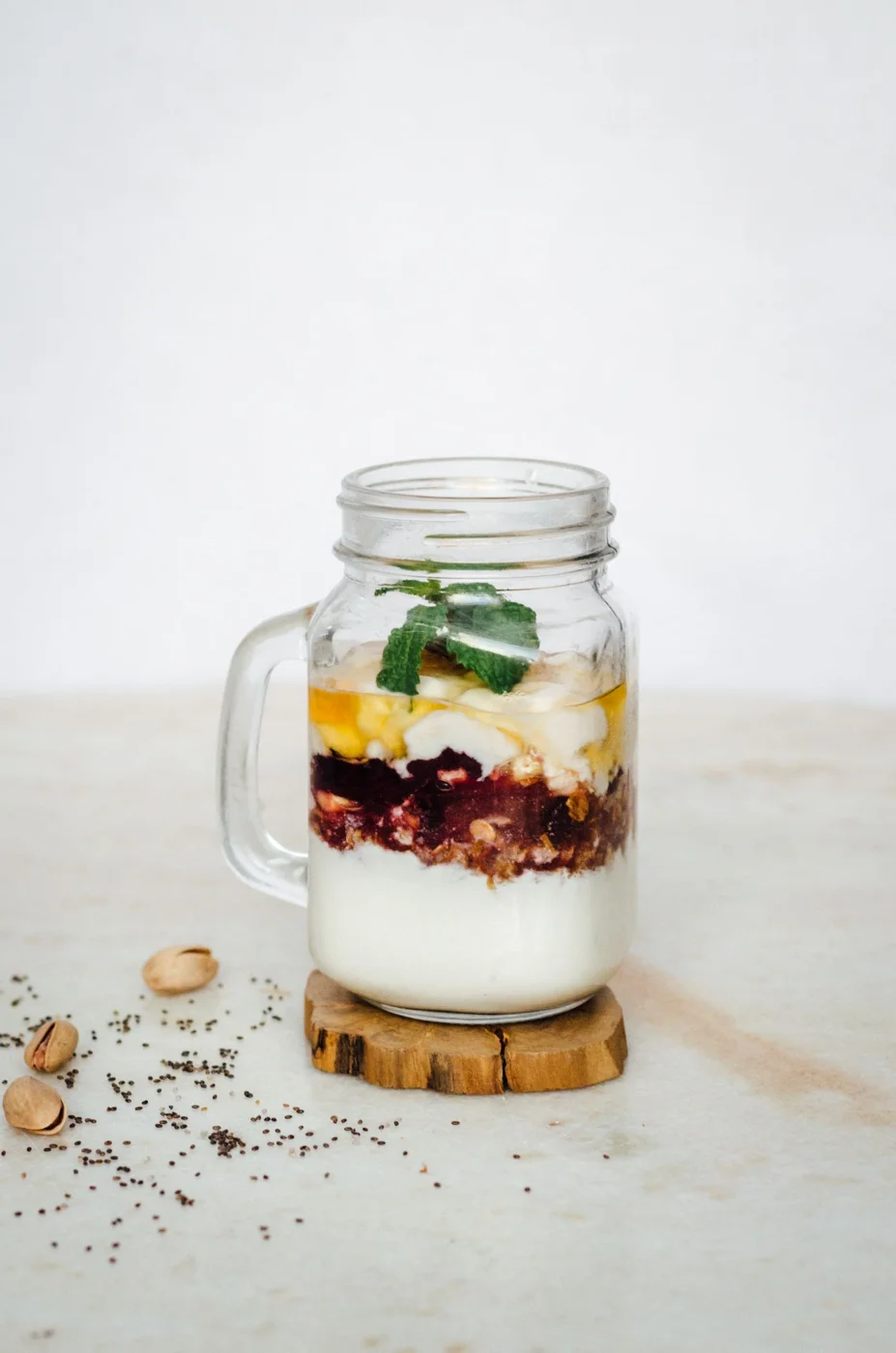
If you prepare produce ahead, consider storage and moisture as well as convenience. Wet, cut food may need different handling from whole produce. Follow storage instructions and refrigerate items that require it promptly. A decorative countertop display is not suitable for every fruit or vegetable once cut.
Choose a manageable amount so the preparation is likely to be used. Washing several days' worth may seem efficient, but it is not helpful if the result deteriorates before you eat it. You can keep some produce whole and prepare it closer to the meal.
The routine can stay compact: clean hands and equipment, appropriate washing, safe separation and suitable storage. There is no need for a collection of branded washes to make the sink look prepared. The useful details are the ones that reduce unnecessary handling and keep the food on a clean path toward the plate.