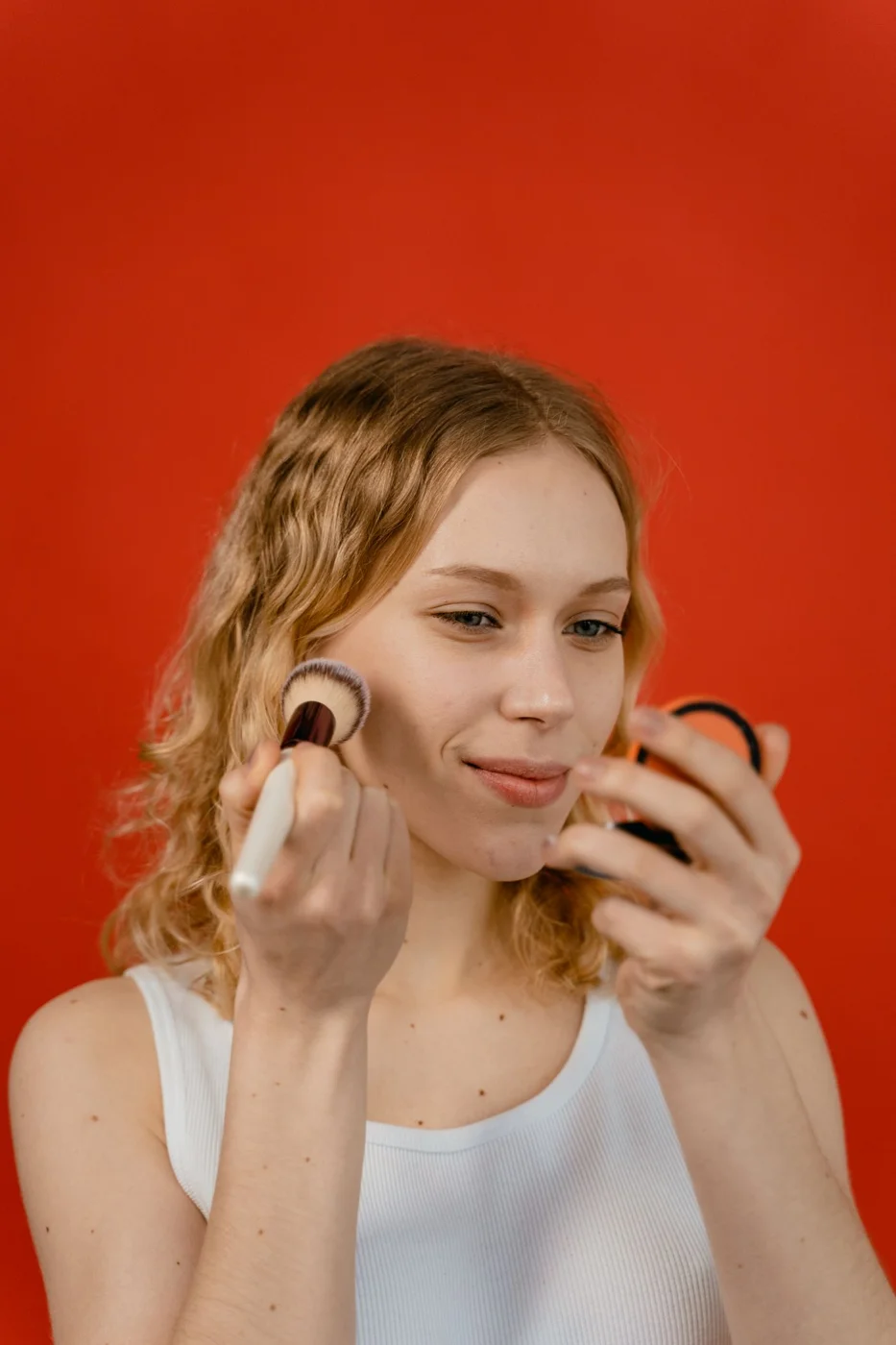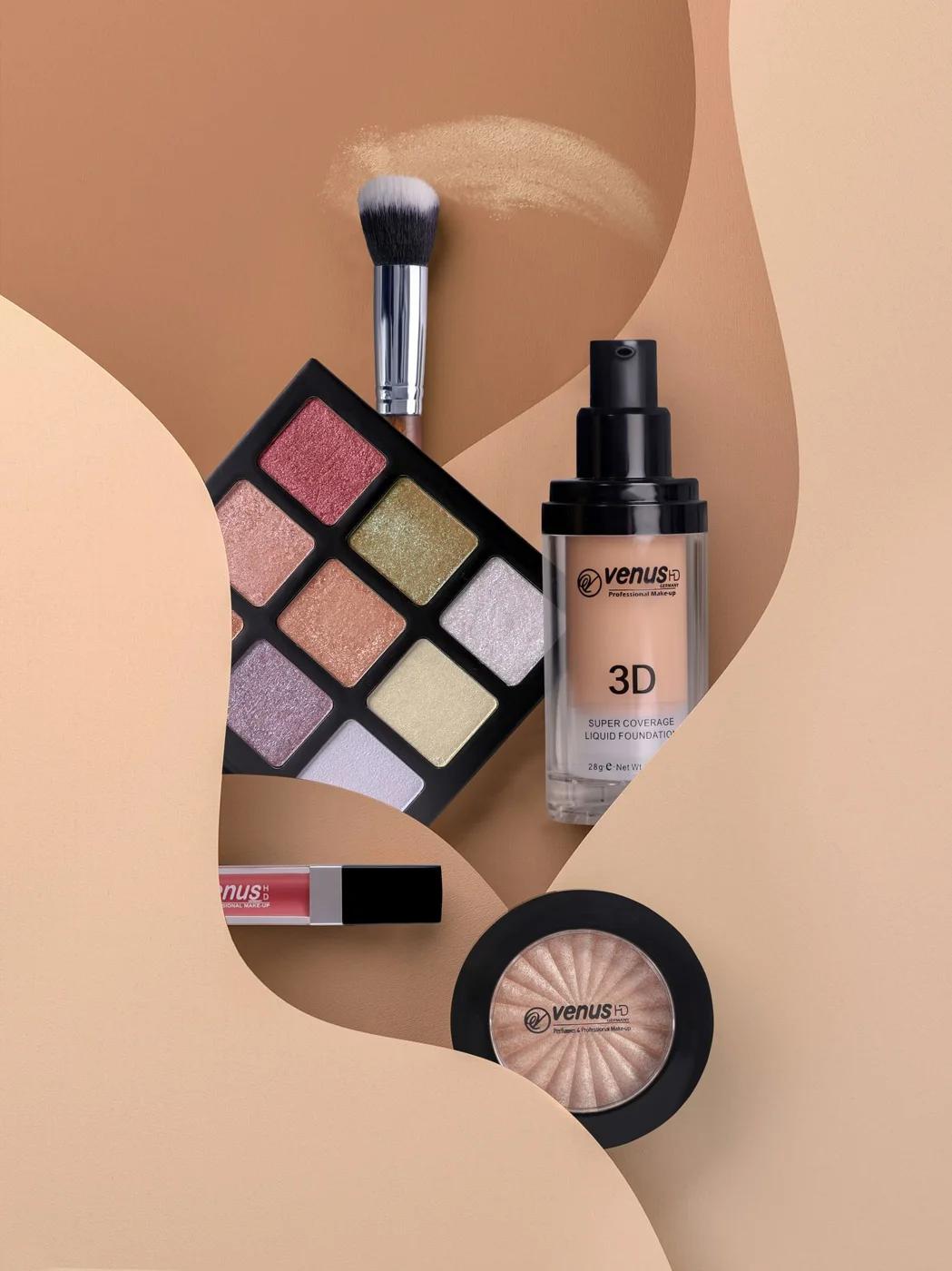
Skin tint, tinted moisturizer, serum foundation and light foundation can sound like four clearly separated categories. On the shelf, the names are less useful than the result. One tint can cover more than another brand's foundation, while two products with similar names may feel quite different.
Describe the finish you want in ordinary language. Perhaps you want to soften an uneven patch while still seeing freckles. Perhaps you prefer a consistent color across your face, or simply a little coverage around your nose. This gives you something concrete to look for when a product description offers a long list of attractive adjectives.
Try the product in a thin layer over a small, representative area. Look at what remains visible, then decide whether that is a problem. Coverage is a preference, not a requirement to make every variation disappear. A formula that needs several layers to achieve your goal may be the wrong tool even if you like its first application.
Separate coverage from finish
A sheer product can look shiny, satin or comparatively matte. An opaque product can also have any of those finishes. If a sample seems too noticeable, ask whether you dislike its color, its shine or its opacity. Those are three different reasons to try something else.
Consider the amount of time you want to spend applying it. A thin tint that looks comfortable when spread quickly may suit a short morning. A more concentrated base may be useful when you enjoy placing small amounts precisely. Neither format automatically makes a routine simpler; the way you use it matters.
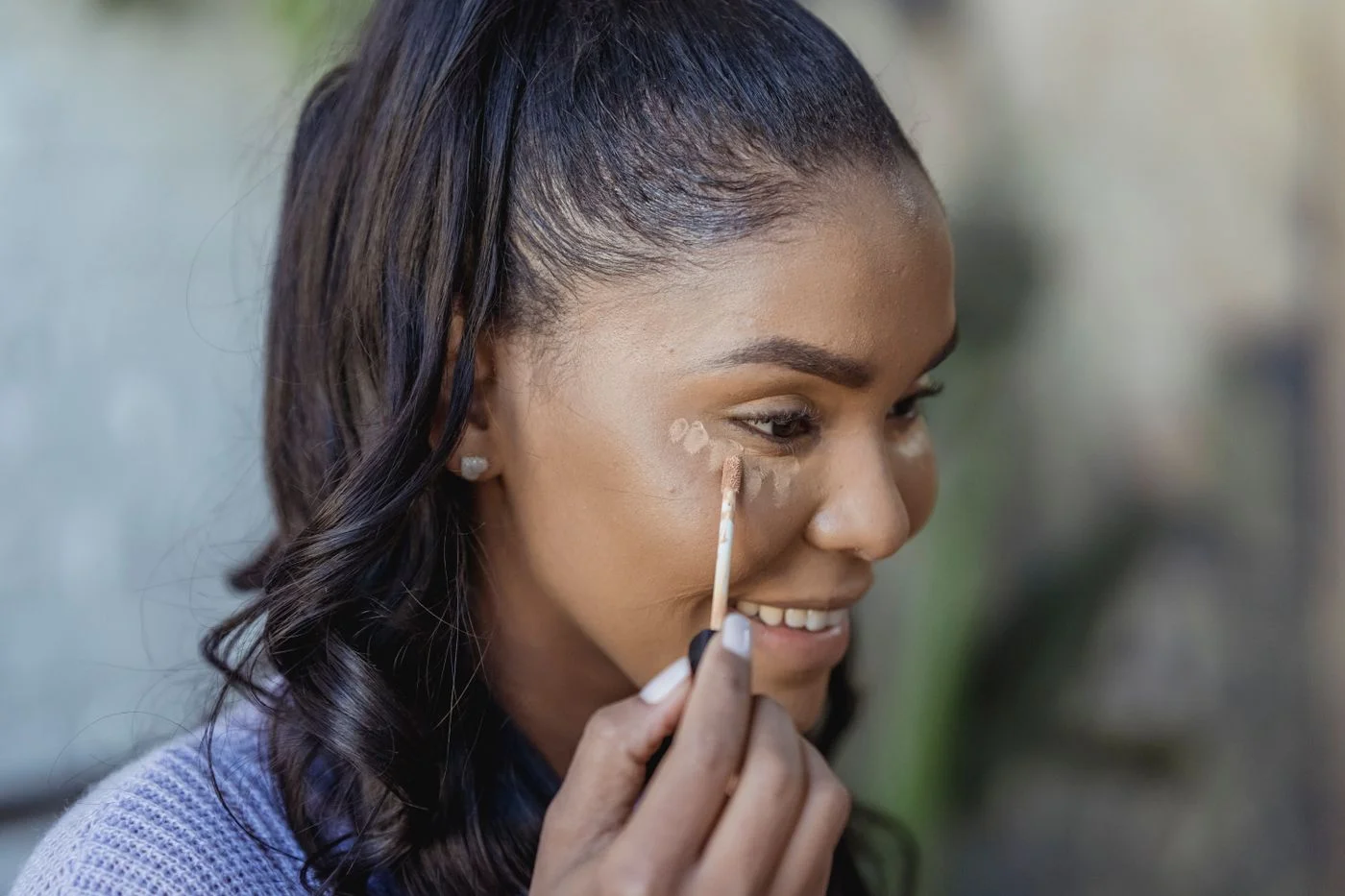
You can also divide the work. A light base across selected areas and a little concealer on one spot may give you the effect you want without increasing coverage everywhere. Try that with products already in your kit before buying a second foundation.
When comparing samples, use similar lighting and an amount appropriate to each product's instructions. Write down the result in one sentence: “Freckles visible, redness softened, shine more than I want.” That description is more informative than a product category alone, and it remains useful when packaging language changes.