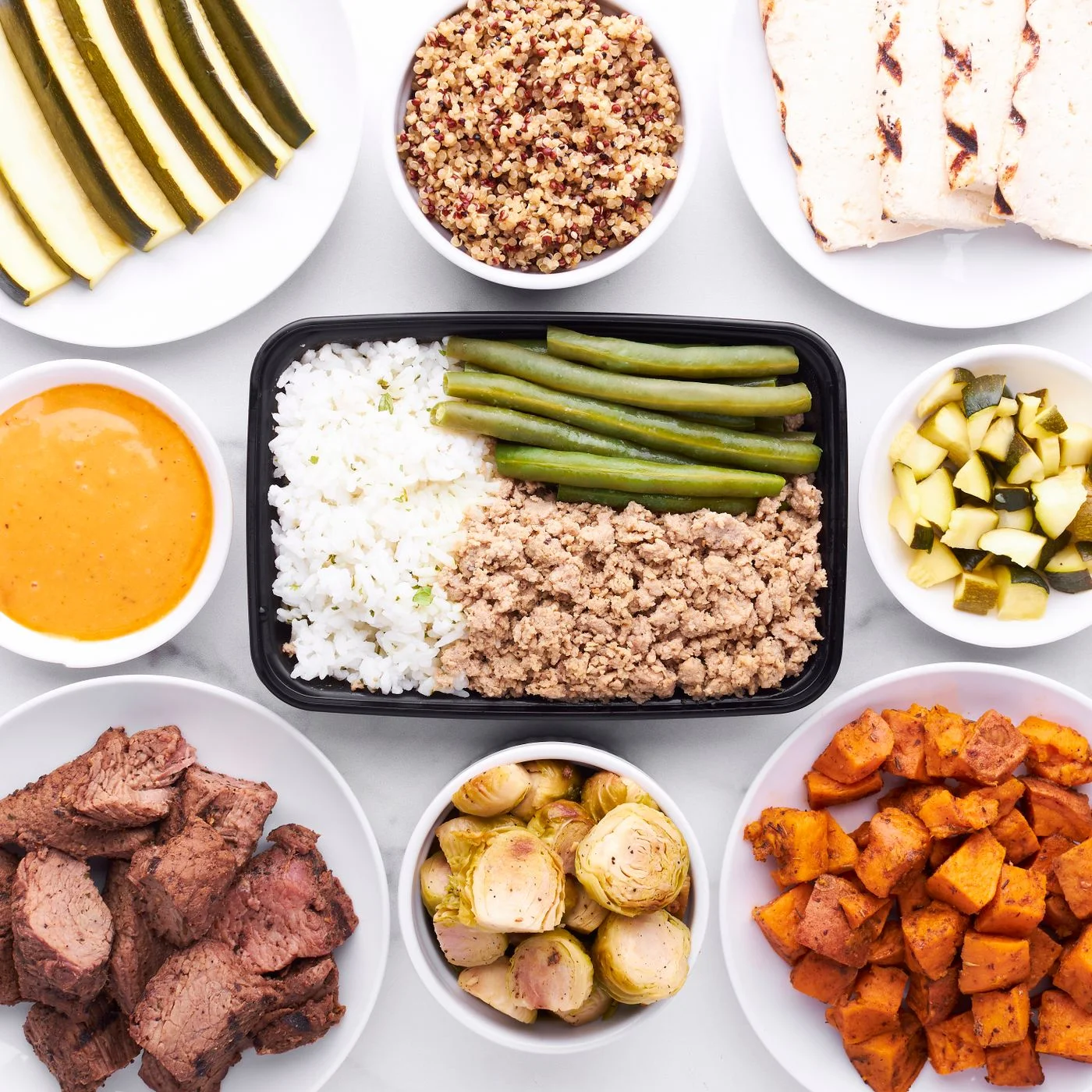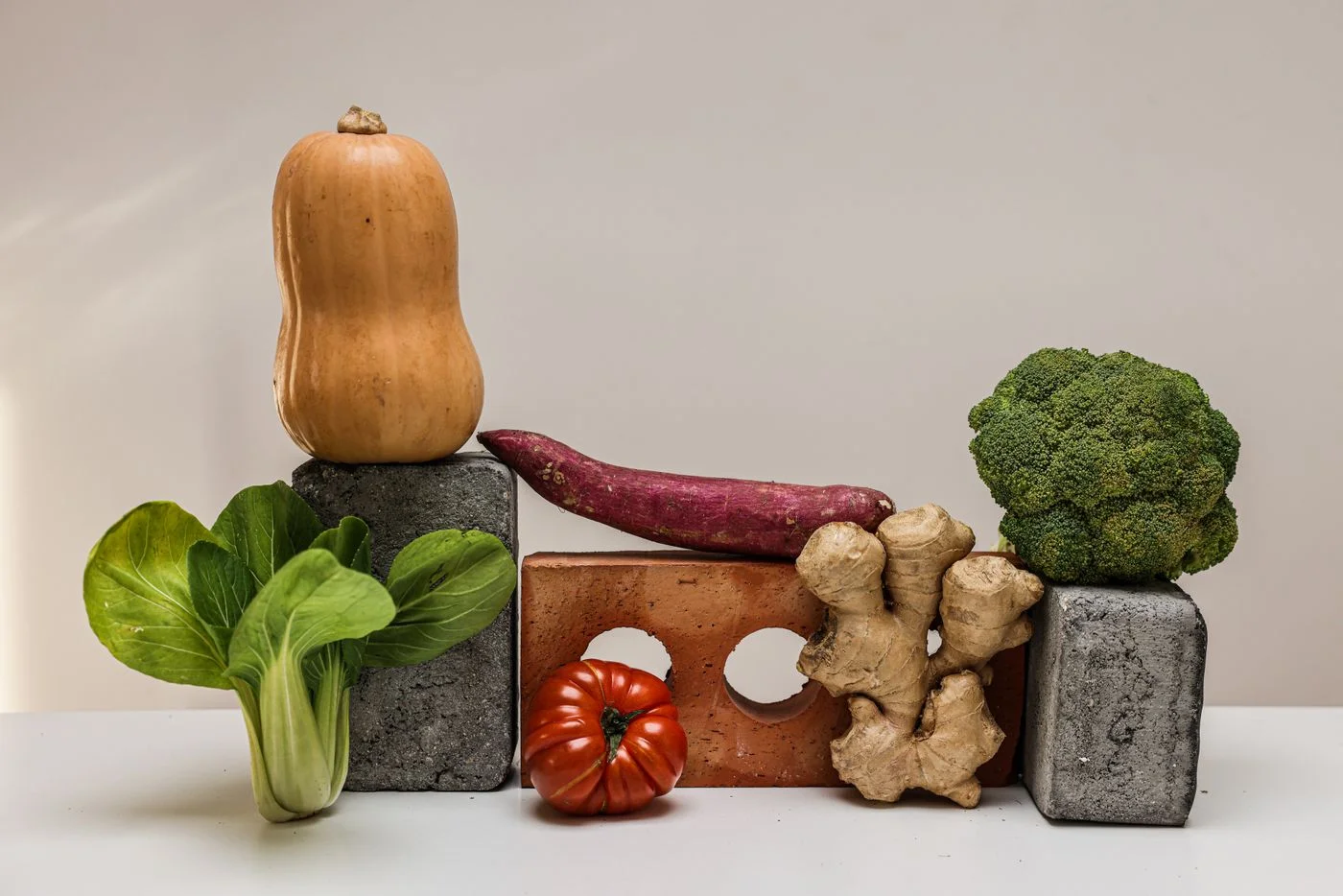
Produce shopping for one or two people can be awkward when the best-looking display is built around large bags and bundles. A low unit price is less persuasive if half the contents become an obligation you cannot finish. Start with the meals likely to happen before the next shopping trip.
Choose a few ingredients with clear uses rather than a broad collection of good intentions. A pepper for two planned meals, a small amount of greens and fruit you enjoy may be more useful than several varieties bought without a destination.
Mix the timing
Some produce will need attention sooner than other items. Plan to use the more delicate choices early and leave suitable longer-lasting foods for later meals. Storage needs vary, so follow reliable guidance for the specific fruit or vegetable rather than placing everything together for appearance.
Frozen and canned options can provide flexibility when plans change. They are useful alongside fresh food, especially for an ingredient you want in a small amount. Check labels and preparation directions, and choose products that fit the meals you make.
Buying loose produce can help you match quantity to use where available. Compare the total cost as well as the unit price. A smaller amount that is fully eaten may be the better purchase for your household even when the larger bag looks more economical per pound.
Give ingredients more than one role
Choose a vegetable that can appear in a cooked meal and another preparation you enjoy. The second use should be realistic, not a recipe you saved once and never intend to make. Keep flavor preferences in mind; versatility is only useful when you want the resulting food.
Leave some produce whole until needed rather than cutting everything immediately. Cut foods may have different storage requirements and a shorter useful window. Prepare ahead where it genuinely helps, using clean equipment and appropriate refrigeration.
If sharing a large purchase with someone, divide it promptly and preserve any relevant label or storage information. Do not assume that a shared bag will be used before it deteriorates simply because it was inexpensive.
Review what comes back from the drawer
Before shopping again, look at what remains. Repeated leftovers tell you which quantities or ingredients need adjusting. A weekly pattern of unused greens may mean buying less, choosing a different preparation or replacing part of the purchase with frozen vegetables.
Avoid turning the review into guilt. The information is there to improve the next list. A small household benefits from a flexible mix, sensible storage and quantities matched to real meals. The aim is not the fullest refrigerator; it is food that stays visible and has a believable place on the plate.