A snack might bridge a long afternoon, accompany a short break or provide something easy to eat while traveling. Those situations do not all need the same food or amount. Start with the gap you are trying to fill and the facilities available.
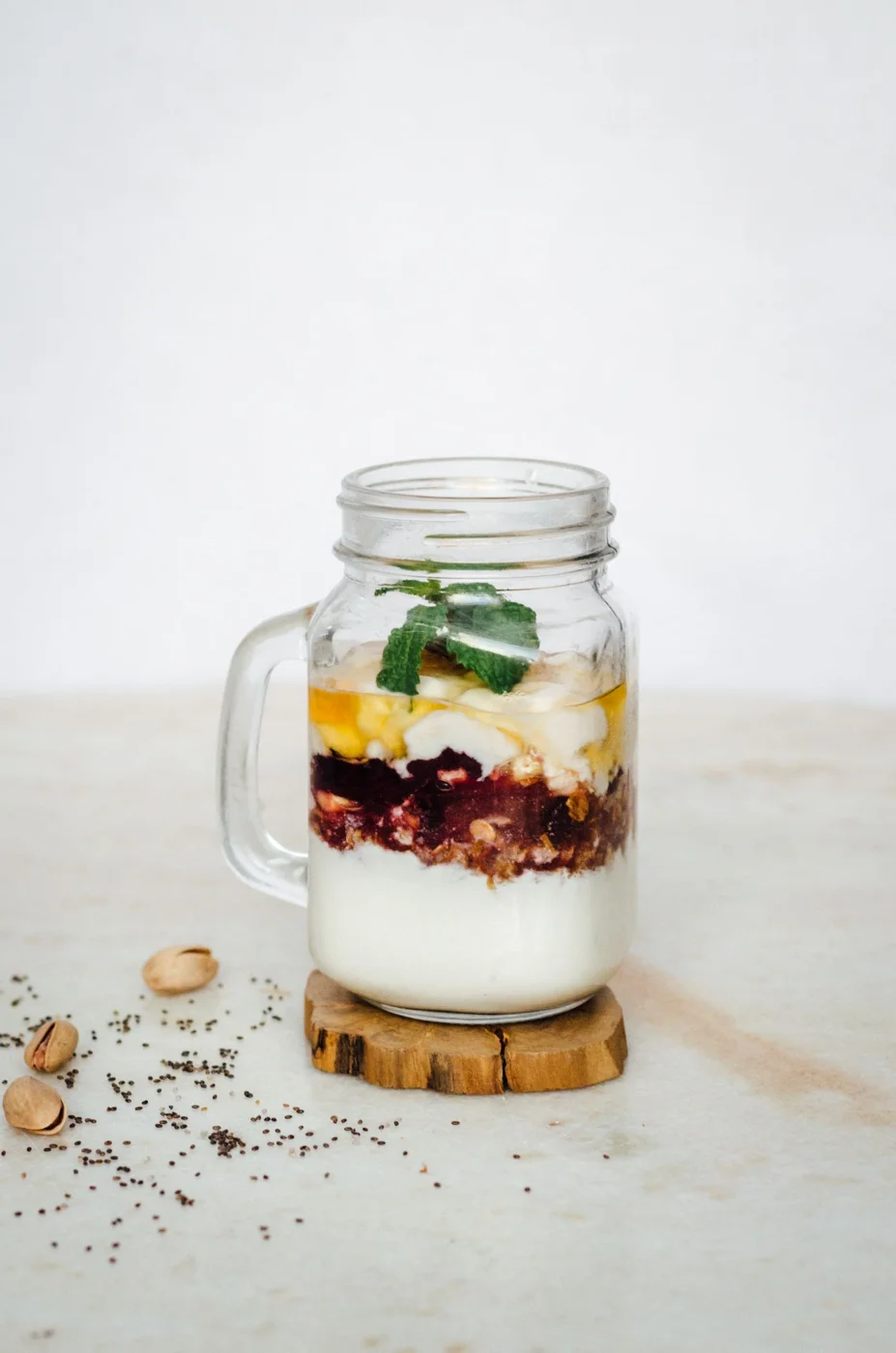
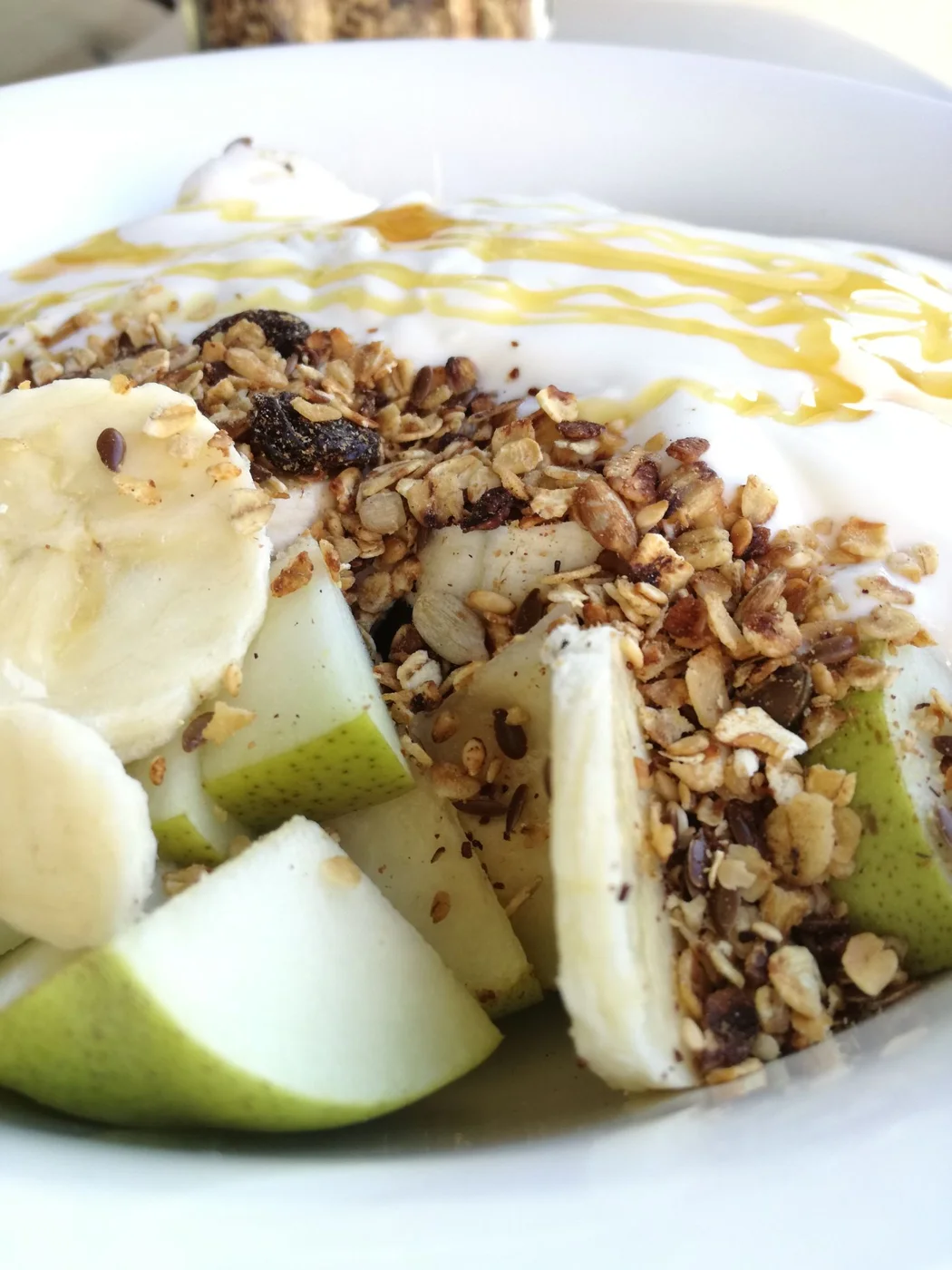
A pairing can be useful when one food alone does not feel like what you want. Fruit with yogurt, crackers with a suitable spread or vegetables with hummus are ordinary examples. They are suggestions for combining flavors and textures, not formulas guaranteed to produce a particular effect.
Let the setting decide what travels
At home, you may have a refrigerator, a plate and time to prepare something. Away from home, storage and convenience matter more. A perishable dip or yogurt needs appropriate cold storage; putting it next to a whole apple does not make the whole snack shelf-stable.
Choose containers that close securely and are easy to clean. Pack wet and crisp ingredients separately if that keeps the texture pleasant. Bring a spoon or other utensil when needed so the food does not become awkward to eat.
Consider allergies, dietary needs and any rules in a shared setting. Nuts may be convenient for one person and unsuitable in another environment. Check ingredient and allergen information rather than assuming a familiar-looking snack is safe for everyone.
Keep a short list of combinations
Two or three options you enjoy can be enough for a normal week. One could use fresh food, another a refrigerated ingredient and a third suitable shelf-stable items. Variety can come from changing the fruit or flavor rather than buying several new snack products.
Buy quantities you will use. Large multipacks can lower the unit price while leaving you with more than you want. If you portion from a larger package, keep the original label available for ingredients, storage instructions and any relevant safety information.
A snack does not have to look like a miniature meal or a carefully styled board. A simple combination may be easier to prepare and more likely to be eaten. You can also choose one food when that is what you want.
Notice how it fits the day
If the interval before dinner is short, your preference may differ from a day when lunch happened early. Use your circumstances and any individual dietary advice rather than a rigid schedule telling you to snack at the same time regardless of appetite.
Avoid assigning foods a moral label because they appear in a wellness routine. An enjoyable snack can belong in a varied eating pattern without being described as clean, guilt-free or a reward earned through activity. The practical goal is to have something suitable available when you need it, with preparation and storage that fit the place you will eat.