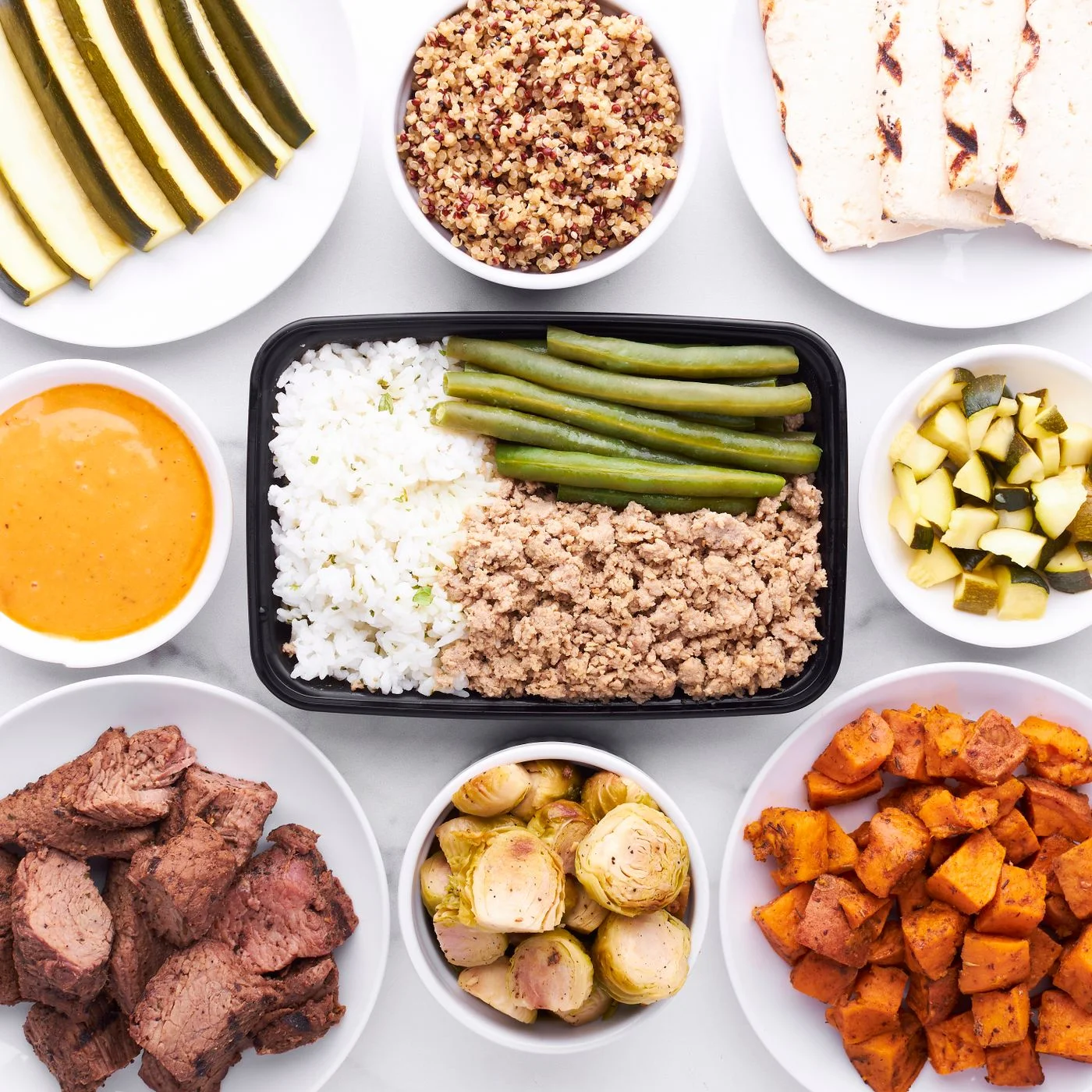
A refrigerator full of chopped vegetables can look reassuring on Sunday and restrictive by Wednesday. If every ingredient has been cut for a particular recipe, changing dinner may feel like abandoning the work already done. You can prepare selectively instead of turning the entire grocery bag into one fixed plan.
Start with the meals most likely to happen soon. Which preparation step slows them down? Washing greens, trimming a vegetable or gathering the ingredients may be enough. Not every item needs to be chopped merely because the cutting board is already out.
Consider the form you will want later. Large pieces for roasting, small pieces for a quick sauté and whole vegetables for another dish are different uses. Keeping some ingredients whole can preserve options when your plans are uncertain.
Make safe handling part of the setup
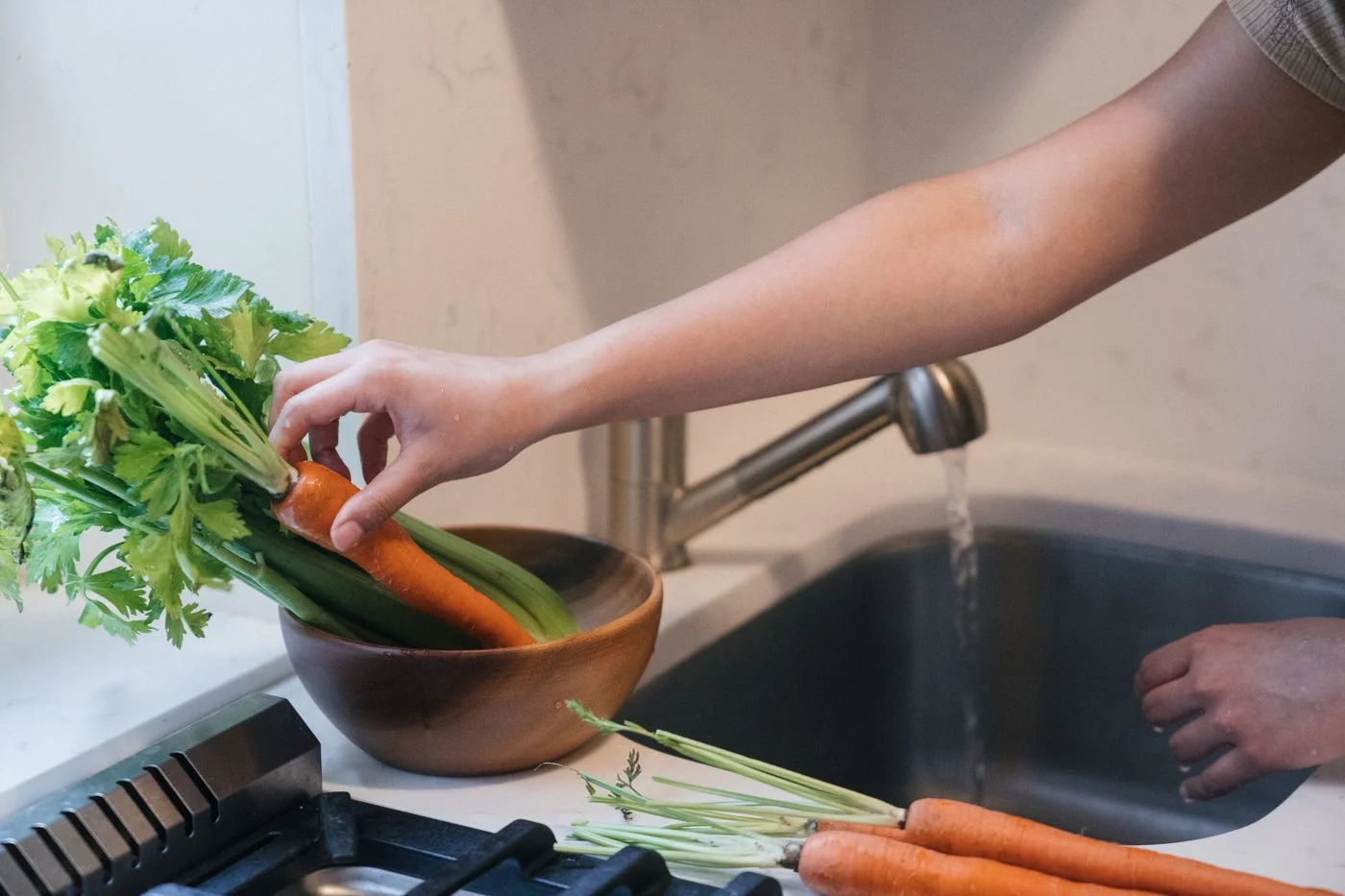
The FDA advises washing produce under running water before preparing or eating it, without soap or household detergent. Keep produce separate from raw meat and its juices, and clean preparation surfaces and utensils appropriately. Follow package directions for produce sold prewashed or ready to eat.
Refrigerate perishable cut produce promptly in suitable containers. A tidy row on the counter is not storage. Label prepared items so you know what they are and when you handled them, and follow appropriate storage guidance for the particular food.
Choose containers according to the ingredient and the space available. A very large box holding a tiny amount can crowd the refrigerator and hide other food. Several small boxes can also become hard to track. Use the fewest containers that let you store the food appropriately and find it easily.
Prepare components with more than one destination
A vegetable intended for two meals may be worth preparing in separate forms. Alternatively, leave part untouched until you know the second meal will happen. This can be more flexible than committing everything to one elaborate batch recipe.
If preparation itself is a barrier, suitable frozen or commercially prepared vegetables can be part of the plan. Follow their cooking and storage directions. Convenience is useful when it helps you make the meal you intended, rather than buying produce that remains unused because the preparation felt too large.
At the next shopping trip, notice which prepared items were used and which were avoided. Adjust the preparation amount before adding more containers or a longer weekend cooking session. The best prep is the work that disappears from a busy evening, not the work that makes the most impressive photograph.